
What Does a Specialist Car Broker Actually Do?
By Jaafar El-Hassan · 19 February 2026 · 5 min read
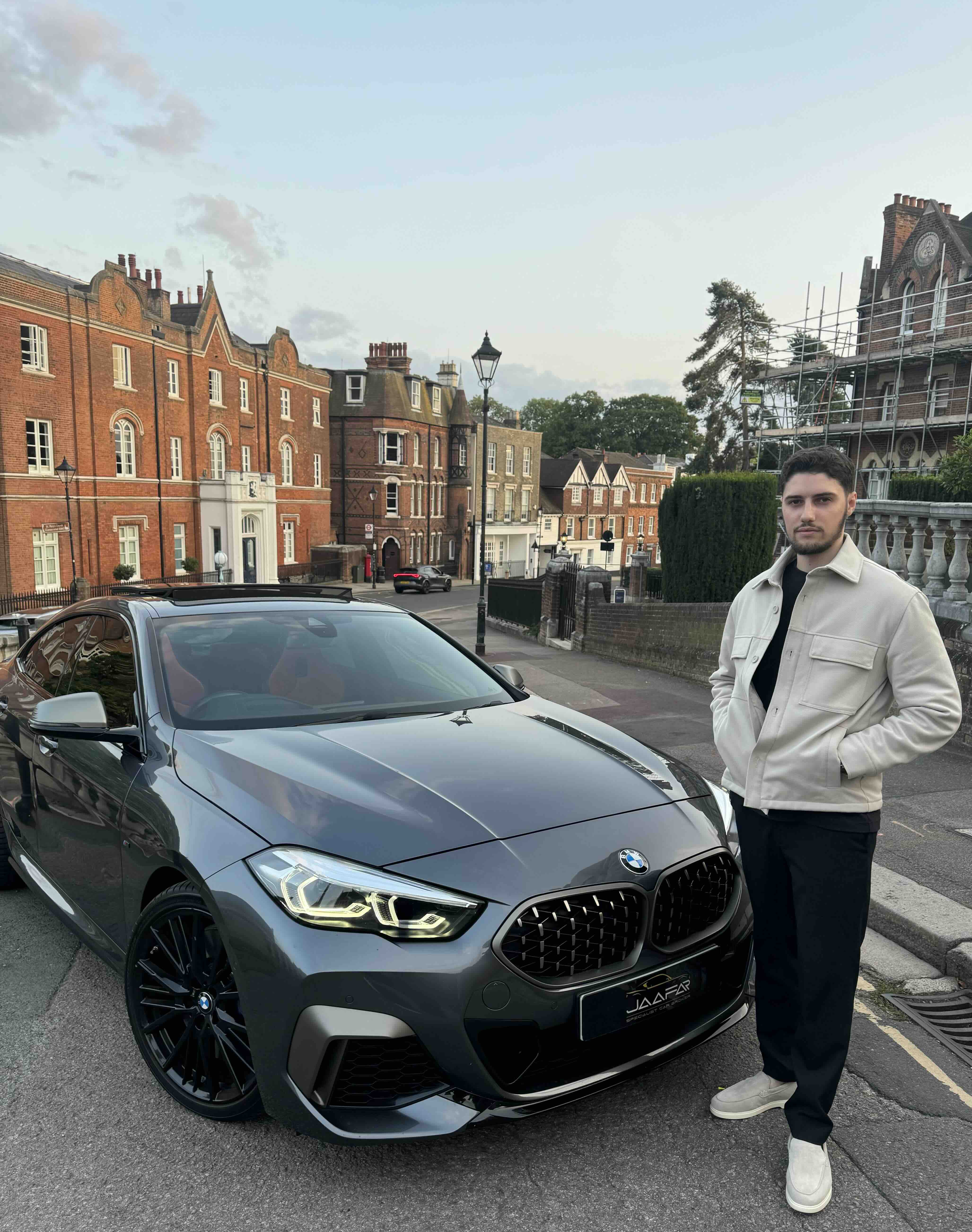
The term gets used loosely, so it is worth being precise. A specialist car broker works for you, the buyer or seller, rather than for a dealership trying to move its own stock. The job is to find the right car, negotiate the right price, and handle the parts of the process most people find tedious or stressful. You set the brief, the broker does the legwork.
If you have only ever bought from a forecourt or scrolled an online marketplace, the role can seem unfamiliar. So here is a plain look at what a specialist car broker actually does, where car brokerage differs from the alternatives, and the moments when bringing one in genuinely pays off.
The core job: sourcing the right car
At its heart, a luxury car broker is a buying agent. You describe what you want, whether that is a specific model and specification or a looser set of priorities, and the broker goes and finds it. For a performance or luxury car, the brief often runs deep: the exact engine, the right colour and trim, optional extras, mileage limits, service history, and sometimes a particular build year or a rare factory option.
Finding a car that ticks every box is rarely as simple as filtering a website. The cleanest examples are often sold quietly, between trusted contacts, before they ever reach a public listing. A broker spends their days inside that network, so they hear about the right car early and can move on it quickly. They also do the unglamorous verification work: checking provenance, confirming history, and weeding out cars that look right on paper but have a story that does not add up.
Negotiating and handling the whole transaction
Sourcing is only half of it. Once the right car is found, the broker negotiates on your behalf. Because they buy and sell constantly and know what cars are genuinely worth, they argue from a position of knowledge rather than hope. That tends to lead to a fairer price and far less back and forth than going it alone.
From there, a good broker handles the transaction end to end. That means arranging inspection, sorting paperwork, coordinating payment securely, and organising collection or delivery so the car arrives at your door. The goal is simple: you make the decisions, and someone else absorbs the admin, the phone calls, and the chasing.
On the other side, the same broker can sell a car for you. Discreetly, without a sign in the window or your details splashed across listings, finding a buyer through their network and managing the sale quietly from start to finish.
How a car broker differs from a dealer or a marketplace
This is the part that trips people up, so it is worth spelling out. A dealer owns the cars they sell. Their incentive is to sell you what is on the lot, at the best margin for them. That is not a criticism, it is just the model. A marketplace, meanwhile, is a noticeboard. It gives you access to thousands of listings but no judgement, no negotiation, and no protection from a seller who is not being straight with you.
A specialist car broker sits in a different seat entirely. They hold no stock, so there is no quiet pressure to steer you toward a particular car. Their job is to represent your interests across the whole market, including the private and trade sales you would never see yourself. In short, a dealer sells you a car, a marketplace shows you cars, and a broker finds you the car.
When it is worth using a specialist car broker
Car brokerage is not for every purchase. If you want a common car and you enjoy the hunt, you may not need one. It earns its place in a few clear situations.
The first is when your time is genuinely worth more than the hours the search would eat. The second is when the car is specific, rare, or high value, where one undisclosed fault or a weak history can cost a great deal. The third is when discretion matters, either buying or selling, and you would rather not have your name attached to a public listing. And the fourth is simply when you want the experience to be calm and personal rather than a series of awkward forecourt conversations.
What sets a good broker apart
Not all brokerages work the same way, so it is worth asking how one charges and how it behaves. At Jaafar Specialist Car Broker, there are no admin fees and no deposit, and the sourcing fee is only charged on collection, so you pay when the right car is actually in front of you. Founder Jaafar El-Hassan brings years from the sharp end of luxury car sales as a former BMW flagship executive, and the service stays personal and hands on from the first call to the moment you drive away.
If you are after a particular car, looking to sell discreetly, or simply tired of doing it all yourself, this is exactly the kind of work a specialist car broker takes off your hands. Get in touch with Jaafar Specialist Car Broker to talk through what you are looking for and how it would work for you.
Frequently Asked Questions
What does a specialist car broker actually do?
A specialist car broker works on your behalf to find the right car, negotiate the price, and handle the transaction from inspection through to collection. They can also sell your existing car discreetly. Unlike a dealer, they hold no stock, so they represent your interests rather than pushing their own inventory.
How is a car broker different from a dealer?
A dealer owns the cars they sell and is incentivised to move their own stock at the best margin for them. A broker holds no stock and searches the whole market, including private and trade sales you would never see yourself, to find the specific car you want at a fair price.
When is it worth using a luxury car broker?
It is most worthwhile when your time is valuable, when the car is specific, rare, or high value, when discretion matters for buying or selling, or when you simply want a calm, personal process instead of trawling forecourts and marketplaces yourself.
How does Jaafar Specialist Car Broker charge?
There are no admin fees and no deposit. A sourcing fee is only charged on collection, so you pay once the right car is actually in front of you rather than upfront.